
DAIRY PRODUCTS
Latvian dairy products are produced using high-quality milk sourced from local farms, with a strong emphasis on purity, freshness, and animal welfare. The production process combines modern technology with longstanding dairy traditions, ensuring consistent quality and rich taste. All stages—from milk collection and pasteurization to fermentation, packaging, and storage—are conducted under strict food safety protocols aligned with EU standards. Comprehensive traceability systems, hygiene controls, and certified quality management procedures are in place.
Cream cheese
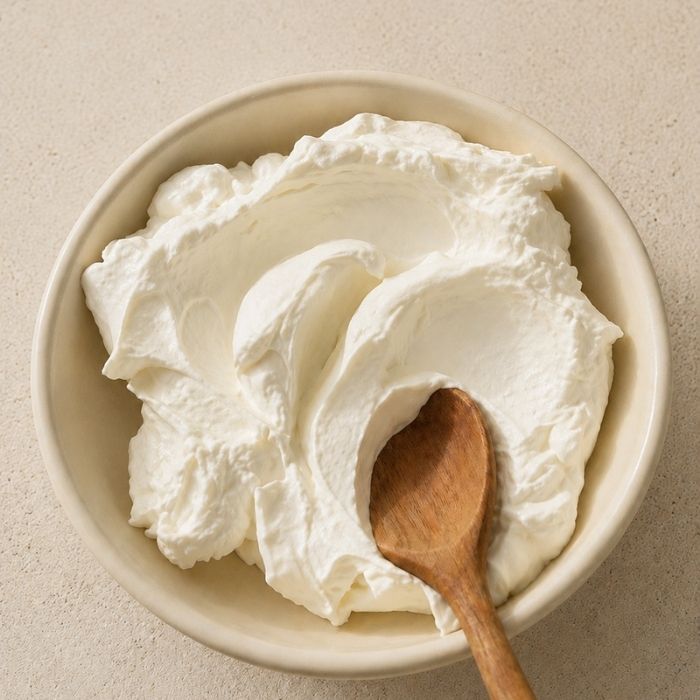
Cream cheese is one of the most versatile milk products offered by European dairy producers. Cream cheese is airy and creamy, available in various flavors. It is an excellent choice for a quick breakfast, fine snacks, delicious desserts, as well as for cheesecakes and glazing. Cream cheese is typically made from milk or curd, with the addition of cooking cream or butter. Unlike traditional cheese production methods, cream cheese does not require any maturing phase. Straight after production, cheese mass is filled in packaging. Depending on the specific recipe, various additives such as herbs, vegetables, mushrooms, fruits, berries, or biscuits may be incorporated. Cream cheese is appreciated for its nutritional value, containing essential components like protein, vitamins, microelements, and fats.
Beyond these essential features, cream cheese is also available in a variety of styles that offer additional choices for different preferences and cooking needs. Options may include lighter versions of reduced fat or even heat-stable formulations developed specifically for baking, such as Basque burnt cheesecake. These variations make the product adaptable to many tastes and culinary uses.
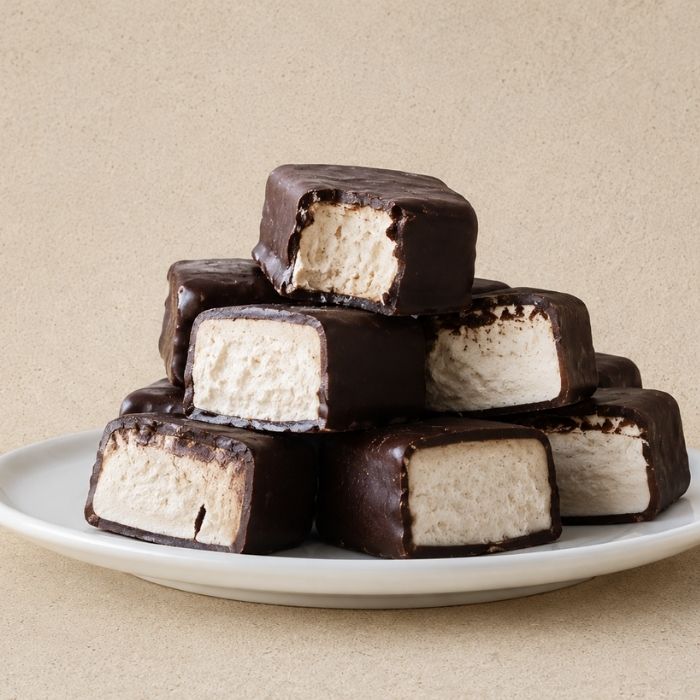
Curd Snacks
Sour cream
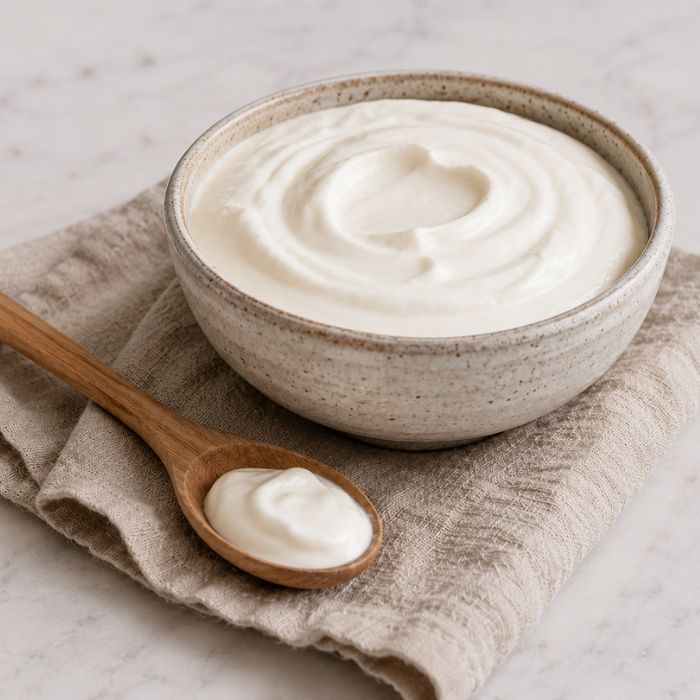
The classic dairy product, sour cream, is widely used in Northern Europe. It’s a common addition to soups, meat sauces, salads, and the beloved dish of the short northern summer – tomatoes with sour cream and a pinch of salt. Sour cream is an acid milk product obtained by fermenting pasteurized cooking cream with lactic acid yeast bacteria. The desired taste, texture, level of sourness, and consistent quality are achieved through this process. Sour cream can vary in fat content, typically ranging from 10% to 35%. A quality sour cream is characterized by a clean and tangy taste, with a homogeneous, shiny structure resembling medium-thick cream.
Following this established production approach, modern sour cream offerings place particular emphasis on natural texture and clean composition, achieving their characteristic thickness and glossy appearance without artificial stabilizers. In addition to these classic formulations, lactose-free and other nutritionally adapted varieties have become available, providing added flexibility for both everyday cooking and professional use, such loaded baked potato with sour cream.
Milk drinks
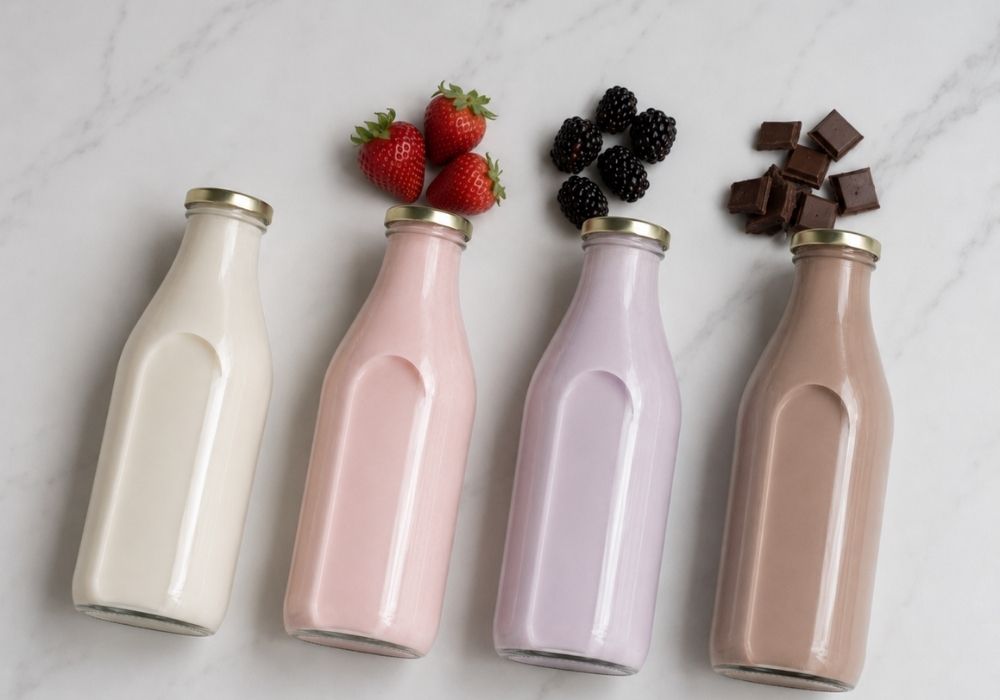
Revitalizing age-old fermented milk traditions, producers across Europe, in collaboration with nutrition experts, continue to innovate and diversify their product offerings. Dairy producers have introduced fermented milk drinks, which stand out as flavorful and versatile options suitable for various occasions, such as breakfast, midday break, or a quick snack. Fermented milk drinks are enjoyed by people of all ages, including children, and they often contain minimal sugar content. They are made by fermenting milk with lactic acid bacteria, sometimes incorporating local fruits or berries according to traditional recipes. The emphasis on quality in fermented milk drinks prioritizes natural ingredients, avoiding artificial flavorings or synthetic additives to maintain a pure and authentic taste.
Expanding beyond their traditional role, milk drinks are made with carefully controlled processing that create a smooth texture and consistent taste. Depending on the variety, they may provide different dairy-based benefits, such as increased protein content that supports fullness and a range of essential vitamins, such A, B6, B12 and D important for everyday wellbeing, with each type offering its own nutritional benefits.
Processed cheese
Processed cheese is widely popular throughout Europe, spanning from southern regions to the north, each with its own distinct flavor profile. This diversity is a result of the region-specific cheese production traditions that have evolved over time. The primary ingredient in processed cheese is natural cheese, which has the ability to melt when heated and solidify when cooled. Special melting salts are used to achieve a soft texture, along with additional ingredients, such as butter, sour cream, and various natural additives like herbs, vegetables, mushrooms, bacon, or salami.
These ingredients contribute to the varied taste of processed cheese. Processed cheese is utilized in various culinary applications, including spreading on bread or crackers, and incorporating into dishes, such as soups, sauces, and pastry products. While it is valued for its taste and versatility.
Cream UHT
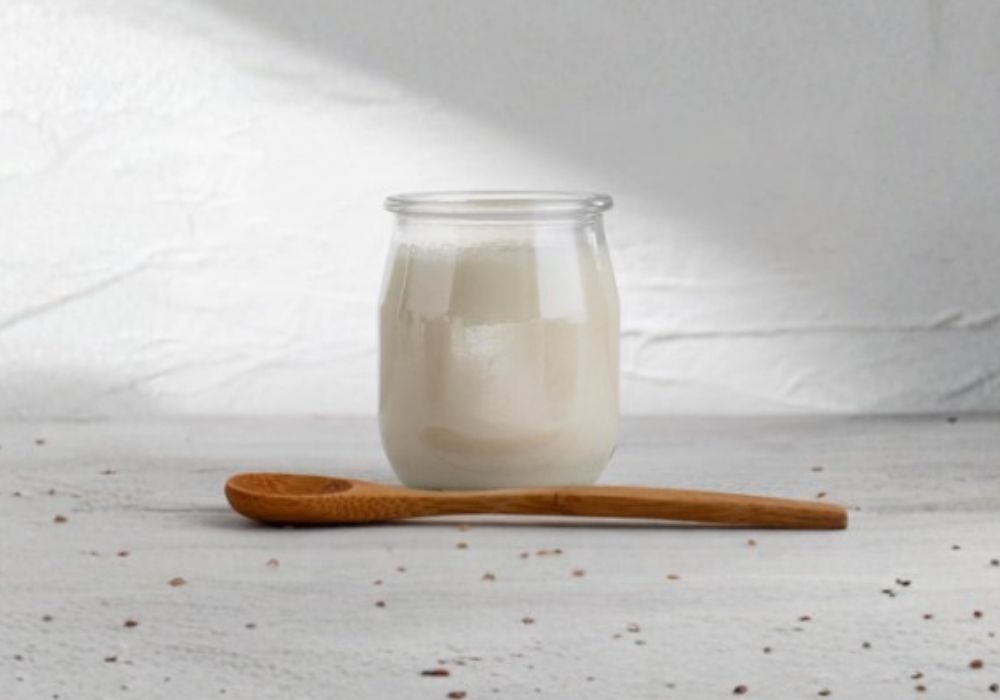
Cream UHT, short for Ultra High Temperature cream, undergoes a special treatment involving high heat to prolong its shelf life, enabling it to be stored without refrigeration until it is opened. During the UHT process, the cream is heated to a temperature exceeding 135°C (275°F) for a brief period, typically just a few seconds, and then rapidly cooled.
This procedure effectively eliminates bacteria and other microorganisms present in the cream, allowing it to remain stable at room temperature for several months. Cream UHT finds widespread use in culinary applications, adding richness and flavor to sauces, soups, desserts, and coffee. It is available in various fat percentages, ranging from light or low-fat cream to heavy or double cream, to accommodate different dietary preferences and cooking requirements.
Semi -hard cheese
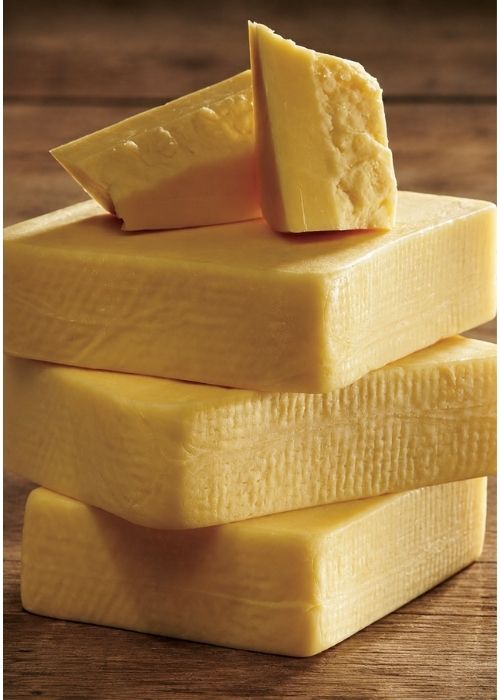
Cheese is indeed one of the oldest food products consumed globally, with preparation traditions dating back to ancient times. It is considered a distinct culture, art, and skill passed down from generation to generation. The primary focus of the cheese offering is matured cheese. This cheese undergoes pressing and salting before being matured in specific premises with controlled temperature and humidity. This process continues until the cheese develops the taste, aroma, and texture characteristic of its particular variety. Each type of cheese has its own maturation requirements, including specific temperature and humidity levels. The maturation period can vary significantly, lasting anywhere from several days to several years. After maturation, cheeses can vary widely in their characteristics, including soft cheeses with or without mold, semi-hard cheeses with crusts and traditional holes, and hard cheeses with a grainy texture.
Following this long-trusted approach, semi-hard cheese is made under carefully controlled conditions. Its ingredients profile remains simple and typically limited to milk, salt, starter cultures and rennet. Notably, when stored under appropriate conditions between +2 °C and +10 °C, it retains its quality and freshness, making it a trusted ingredient in everyday cooking.
Organic Semi-hard cheese
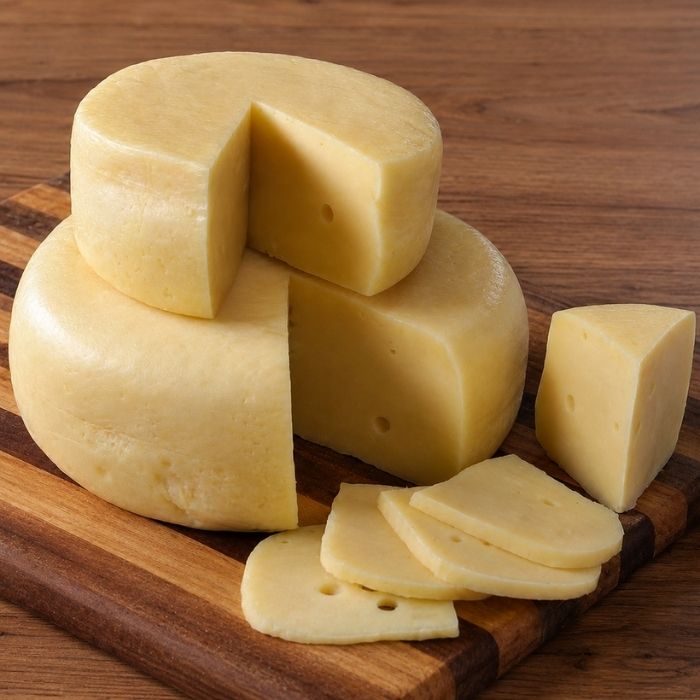
Experience the pure taste of cheese, crafted using locally sourced organic milk of the highest quality. This cheese maintains the classic characteristics of traditional semi-hard cheese, enriched by the use of organic ingredients. With a fat content in dry matter ranging from 45% to 50% and a moisture content of 60% in the fat-free part, it exemplifies superior craftsmanship. Its robust flavor and smooth texture make it an excellent choice for those seeking both deliciousness and ethical sourcing. With a minimum maturation period of 40 days, it guarantees a delightful experience for even the most discerning connoisseurs.
Cottage cheese
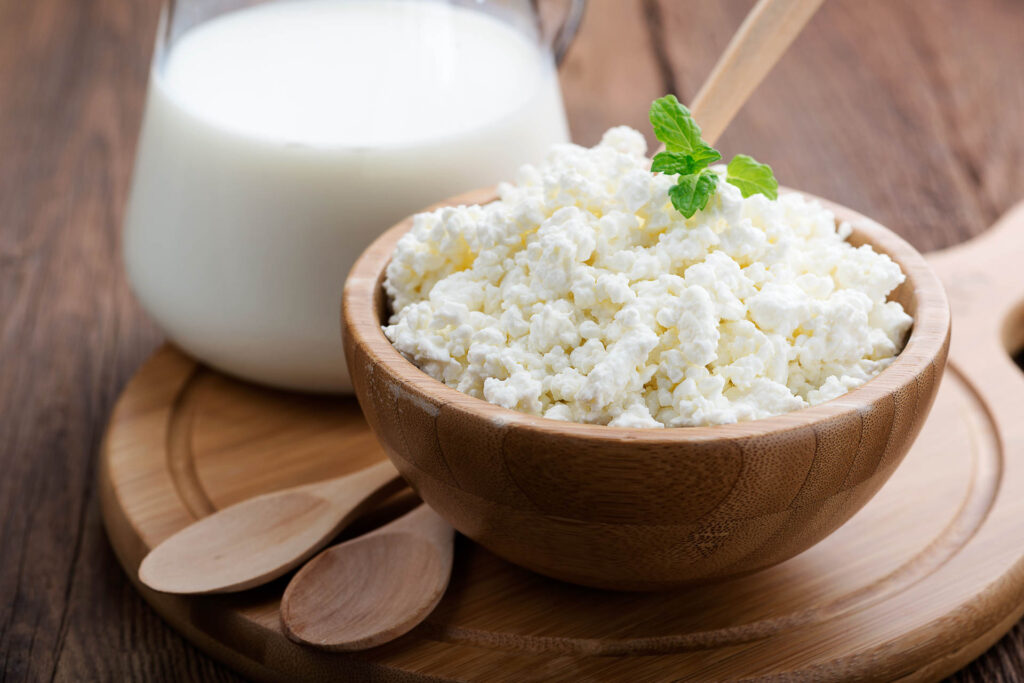
In Northern Europe, characterized by long winters and short summers, rich traditions of milk production have flourished. Even the most discerning food enthusiasts appreciate cottage cheese for its delicate taste and texture. Cottage cheese is a curd product made from curdled pasteurized skimmed milk. During the curdling process, buttermilk is separated, resulting in cheese grains that are then rinsed, dried, and combined with cooking cream and salt. Industrially produced cottage cheese typically contains no more than 80% water and at least 4% fat. However, low-fat cottage cheese is available with a fat content as low as 0.01%.
Additionally, herbs such as dill may be added according to specific recipes. Cottage cheese is enjoyed on its own or paired with bread or potatoes, and it is also commonly used in dessert recipes. Therefore, cottage cheese remains appreciated for its fresh taste and naturally simple composition, with nutritional values that vary depending on the type. It is also a good nutritional source of protein, which can range between 11 and 17 grams per 100 grams, depending on the specific product. This makes it an easy choice for everyday use and a product that fits naturally into a balanced diet, such as cottage cheese pancakes.
Salad cheese
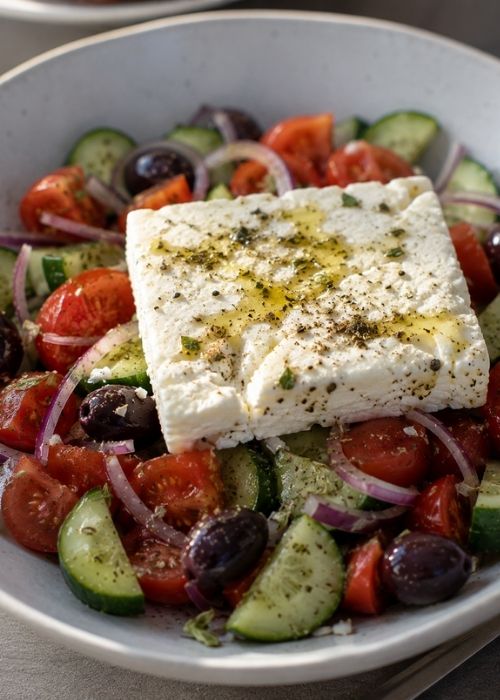
White salad cheese is a lightly salted feta-style cheese known for its creamy texture and tangy flavor. Crafted from high-quality cow’s milk, it offers a distinctive structure that enhances salads and various dishes. In its final form, it appears as a soft white block that breaks or slices smoothly, delivering a fresh lift to even the simplest salad.