
PDO PRODUCTS
Greek PDO products are crafted using time-honored methods rooted in regional tradition, ensuring both authenticity and exceptional quality. Each product is closely tied to a specific geographical area and made with locally sourced raw materials, following the strict specifications of the Protected Designation of Origin (PDO) scheme. From cultivation and harvesting to processing and packaging, every step of production adheres to rigorous food safety protocols in line with EU and national regulations. These include full traceability, strict hygiene standards, and continuous quality controls to guarantee the safety and integrity of every product.
PDO Konservolia Rovion
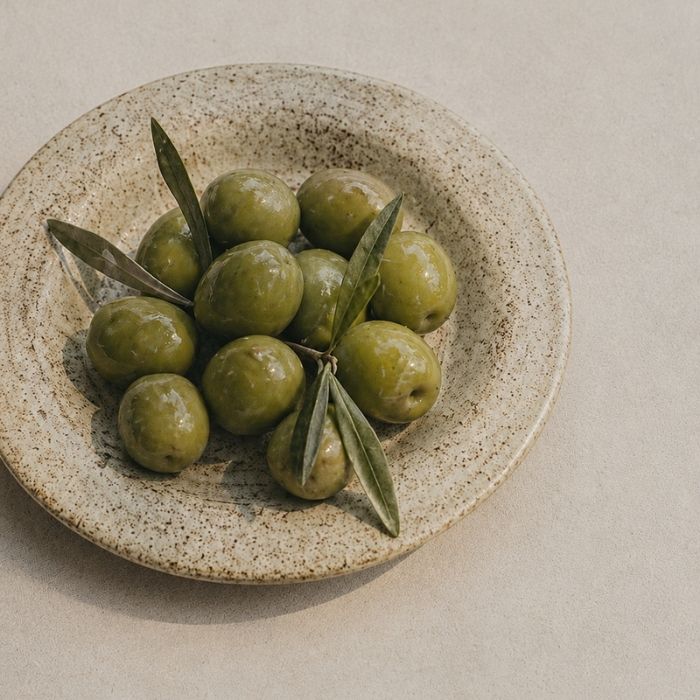
Konservolia Rovion olive is from olive trees grown within the Rovies municipality in central Greece. The trees of the Konservolia Rovion preservation are characterized by exceptional robustness and high productivity capability. This is the most common table variety in Greece. The unique characteristics of the product are attributed to the natural environment and the particular microclimate of the area. These conditions make the flesh of the olive crispy with a dark green color and a characteristic aroma of olive oil. A distinctive characteristic of the “Konservolia Rovion” is its exceptional earliness. Today, it is considered the earliest Greek olive variety. In this variety natural processing is used, without the use of caustic soda, which is used in the processing of green olives worldwide. They are renowned for their nutritional value, as well as their excellent quality and their correct Mediterranean taste is ensured. In addition, Konservolia Rovion can be served as it is or sliced in many serving suggestions. They are also available in pasteurised jars with a reduced salt content of 4%, making them easier to enjoy while supporting lower overall salt consumption.
Regarding the characteristics mentioned above, it is also important to highlight that the mild, pleasantly sweet flavor, delicate fruity aroma and overall excellent quality are closely linked to the cultivation methods applied in Rovies, a coastal area of Northern Evia characterized by a mild Mediterranean microclimate, rich soil, and the beneficial influence of sea breezes. In this area, olive trees are cultivated using traditional and environmentally friendly practices, far from exhaust fumes, with organic fertilizers applied and ground vegetation managed through mechanical methods, avoiding the use of herbicides. The harvesting of mature olives is carried out exclusively by hand, ensuring careful selection, preserving their integrity. Following harvest, the olives undergo the traditional Greek fermentation method, where they are naturally placed in brine for approximately 8 months without the use of additives and without generating waste. This natural process preserves their beneficial compounds and results in a product of excellent quality with an authentic Mediterranean taste.
PDO Konservolia Stylidas
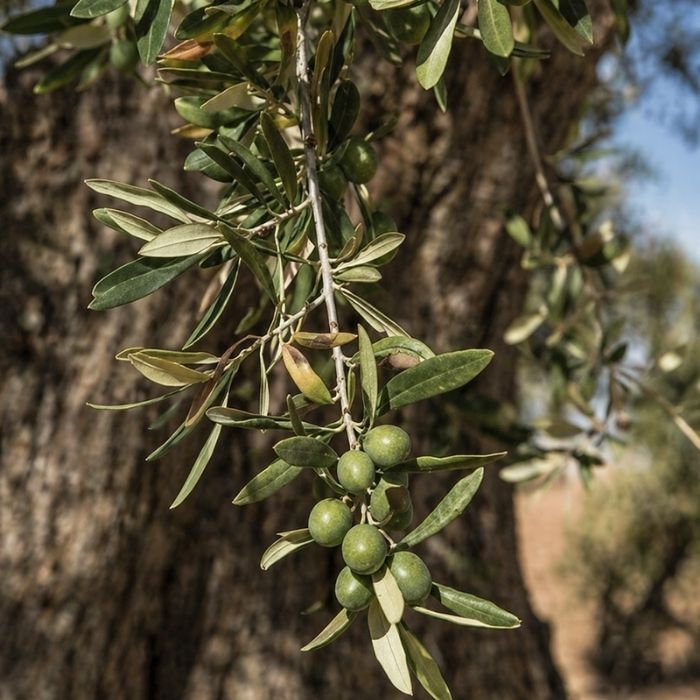
Konservolia is the main variety grown in the area of Fthiotida and is a product of PDO. This variety yields table olives that are famous for their rich organoleptic characteristics. The temperate Mediterranean climate of the region, the ideal altitude of the cultivated land, the sea’s distance, combined with an average annual temperature of 16.5 degrees Celsius, help the trees of this variety to grow and thus, ensure a balanced proportion of all those nutrients that make this variety unique and the quantity produced satisfactory. The production model is based on the principles of integrated and environmental management. The model has been adjusted to olive cultivation and can be applied in a manner that complies with all the requirements of the national and global certification standards, as well as the requirements of existing quality systems, in line with the principles and specifications of integrated management.
PDO Konservolia Stylidas olives are available in pitted and sliced form, with or without their stem. Their skin color is green to straw yellow, their flesh color is light green to straw yellow and their natural shape comes from their pits. The olives are hand-picked and their signature characteristics are their slightly bitter, sour and pepper taste with firm texture. Stylidas olives is a gluten-free product, suitable for vegetarians and vegans. They are available in a variety of packaging sizes, ranging from small jars (370 ml) to plastic barrels (220 lt) with a shelf life of 2 years.
PDO Corinthian Raisin Vostitsa
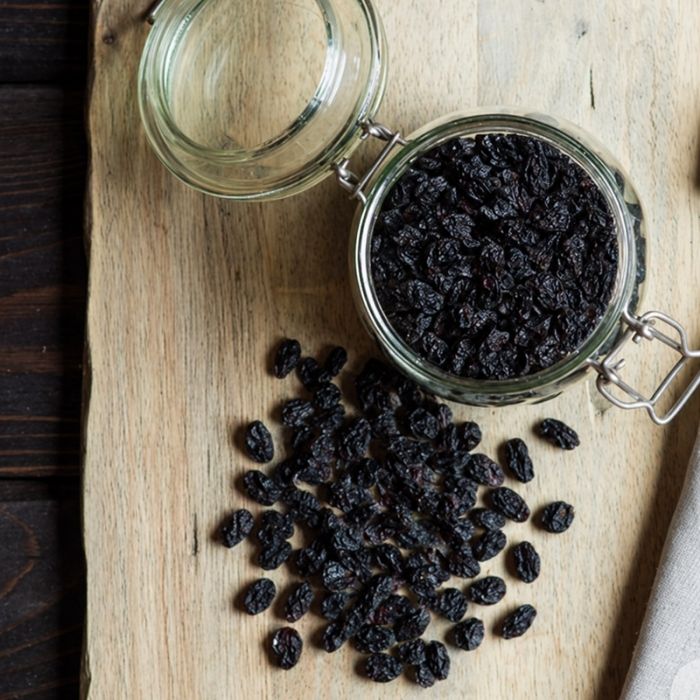
In the semi-mountainous and mountainous area of Aeghialia, Corinthian Currant Vostitsa, a unique product, has been cultivated for centuries. Since Homer’s times, to Queen Elizabeth A, Vostitsa currants travel through the ages. The production of raisins is very long and time demanding. After harvesting, the fruits (grapes) are spread on special designed outdoor areas for sun drying. Drying process is followed by separating only of the finest nipples and the packaging. Corinthian Raisin is used in pastry as a natural sweetener. There are many Greek recipes that contain raisin in natural forms, as well as many people eat it as a healthy snack.
Their Vitis vinifera L. variety defines their natural small size, blue-black color, sweet, fruity flavor and soft-fleshy texture. This small size determines its powerful, concentrated flavor, without the addition of sugar. It is also the reason why this dried grape has historically been known as a “currant”, a name derived from “Corinth,” highlighting its identity as a grape and distinguishing it from other berries.
The natural sweetness of the currant is due to its high content of fructose (35% w/w) and glucose and can be maintained along with aromatic compounds, because of the traditional sun-dried procedure which follows. This procedure also allows the fruit to retain valuable nutrients, including natural sugars, minerals, fiber, antioxidants and Vitamins A, B3, B6, B9, B12, C and E, compared to other corresponding methods.
Beyond its distinctive taste, it also provides high levels of calcium and manganese and it is an excellent source of trace elements such as zinc, magnesium, iron and potassium (regulate blood pressure) while it is sodium-free. Moreover, its dark-colored skin is an excellent source of antioxidants/polyphenolic compounds. Its peel contains a high percentage of dietary fiber, giving currant prebiotic properties and preventing the biosynthesis of cholesterol. (Source: PES Union, “PDO Corinthian Raisin Vostitsa”)
In addition, due to published in vitro studies, currant extracts were found to significantly increase the apoptosis of cancer cells in stomach and colon, while the consumption of small amounts, reduces the oxidative stress that the body is exposed to from smoking. (Source: PES Union, “PDO Corinthian Raisin Vostitsa”)
Overall, this highlights Corinthian currants as a natural and high-quality product made only from grapes and vegetable oil, making them suitable for diabetics as well as vegetarians and vegans. They are offered as a value-added product with a shelf life of 1 year. (Source: PES Union, “PDO Corinthian Raisin Vostitsa”)
PDO Krokos Kozanis
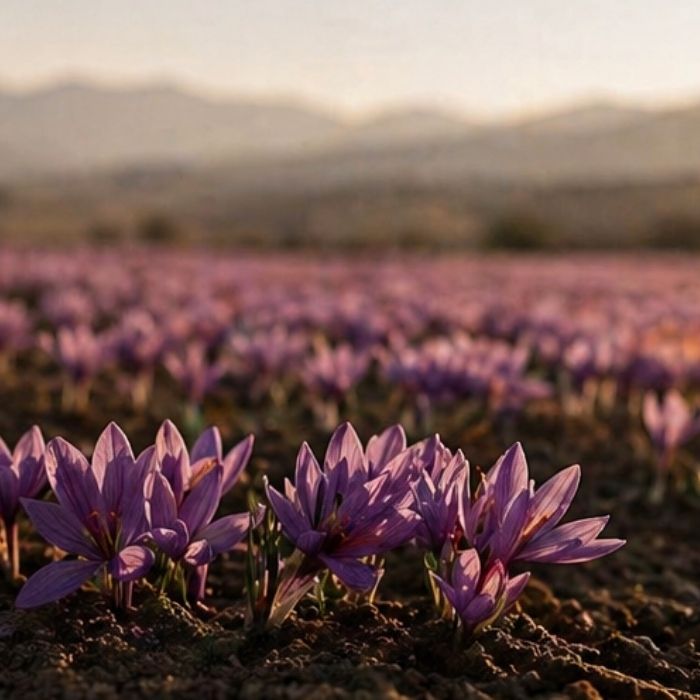
Krokos Kozanis PDO is the premium hand-picked saffron with long crimson threads, floral aroma, unique taste, and unmistakable vibrant color. It is protected by certification and sourced from the best fields in the mountainous region of Kozani, Greece, known for producing the world’s finest saffron. Krokos Kozanis, one of Greece’s many PDO (Protected Designation of Origin) products, is grown and harvested by about 1.000 families in the 25 villages and hamlets around the city of Kozani, Northwest of Greece. The harvest takes place in late October and early November. Getting a kilogram of saffron means plucking the powdery threads from about 150.000 flowers.
Its exceptional quality is defined by aroma, color, thread size, essential-oil content and coloring strength, all shaped by its two key active compounds, crocin and picrocrocin. Through natural chemical reactions, picrocrocin is converted into «safranal», the main component of the essential oil, responsible for the characteristic aroma of saffron, while crocin forms the main pigment «crocetin» that gives the product its characteristic color. The product has a shelf life of 5 years when properly stored, in a cool, dry place, away from moisture and direct sunlight.
Krokos Kozanis has several uses, providing a light spicy flavor character to cooking, rice flavoring, pastry, liqueurs, cheese and pasta production. Also, it is used in pharmaceutical and coloring applications. Beyond its unique culinary characteristics, it also offers therapeutic properties, helping with digestion and reducing stomach pain, cramps and nervous colic. (Source: Kozani Saffron Producers’ Cooperative, “Saffron”)
These are what set Krokos Kozanis PDO apart, a saffron whose excellence you can taste, trust and choose with confidence every time.
PDO Masticha Chiou
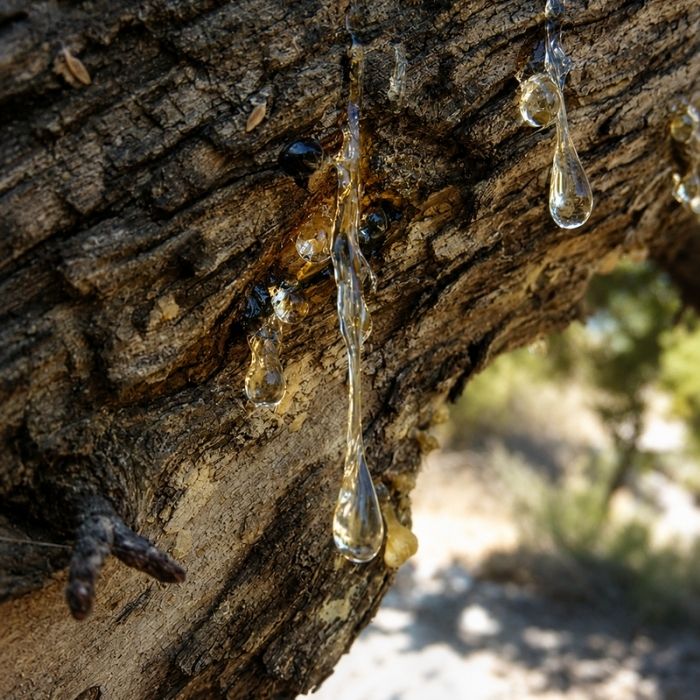
Masticha production takes place only in Mastichohora, in the Southern part of Chios island, due to the unique soil and climate conditions of the region. It is a legendary product intertwined with traditions, historical circumstances, and cultural exchanges, as it has been collected since ancient years.
Masticha is a natural resin that comes from an evergreen tree which is called “Schinos” and belongs to the family of Pistacia. It is a natural, aromatic resin in teardrop shape that falls on the ground in drops from superficial scratches induced by cultivators on the tree’s trunk and main branches with sharp tools. In Masticha we find a great variety of therapeutic and aromatic ingredients and it has many uses in both food sector and health/personal care in global scale. It has been recorded as the first natural chewing gum of the ancient world, used for teeth cleaning and freshening breath. In addition, the know-how of cultivating Masticha has been included by UNESCO on its Representative List of the Intangible Cultural Heritage of Humanity.
The initial form of PDO Masticha is a sticky, translucent liquid sap, shaped by the island’s climate and solidifies after 15-20 days in the summer heat and drought, into irregular crystal teardrop pieces of resin. The resin is initially clear and slightly yellowish, but with exposure to light it gradually loses its clarity and, within 12-18 months, develops a more yellowish hue due to oxidation.
Its flavor is unique and difficult to describe, combining wood, pine, eucalyptus, as well as sweet and herbal notes. This product is distinguished by its complex composition, consisting of more than 80 constituents, including essential oil components and bioactive compounds, which contribute to its well-known therapeutical and cosmetic properties. Scientific studies have demonstrated its beneficial effects, including support for digestive health, anti-inflammatory action, antioxidant properties and its contribution to skin repair, supporting its widespread use worldwide. (Source: Chios Mastiha Growers Association, “Chios Mastiha”).
PDO Masticha oil
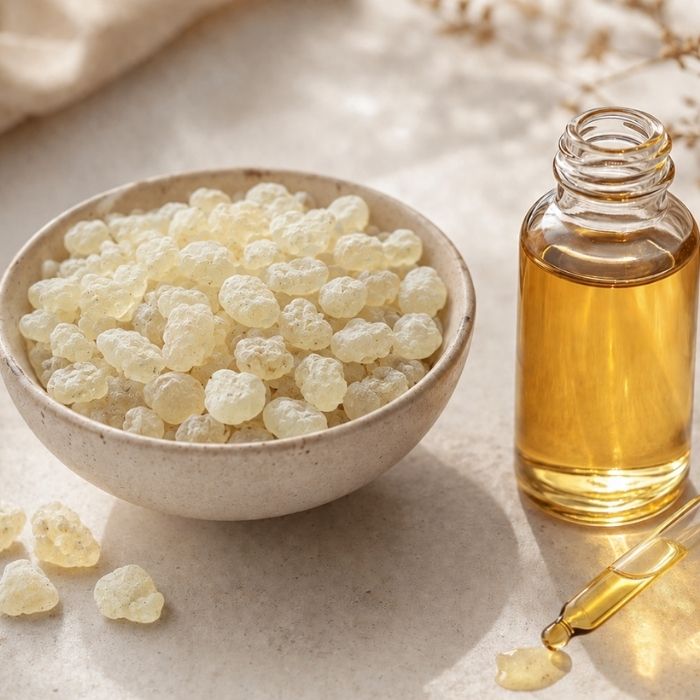
Masticha oil is derived from a natural, aromatic, rare teardrop resin that is produced only in the southern part of Chios Island, by the Masticha tree. The distinctive product, Masticha oil is obtained through the steam distillation of Masticha Chiou resins. It is 100% natural product and contains an exceptional variety of therapeutic and aromatic compounds. Its components are well known for their nutritional value and their contribution to personal care products, such antiseptic creams, oral hygiene products, and body care products. It is also used as a flavoring agent in food production. Another positive aspect is that it has antimicrobial action against the bacteria that cause ulcers. (Source: Chios Mastiha Growers Association, “Chios Mastiha”)
Building on these properties, a key characteristic that makes Masticha essential oil stand out is its strong antimicrobial activity, including its ability to inhibit the growth of microbes, bacteria and other pathogenic microorganisms. It is also used as a natural flavoring in food production, including confectionery, pastries, and ice cream. Masticha oil is available in bottles of various sizes, ranging from 5 g to 1000 g, while its production remains limited, with an average annual yield of approximately 150-180 grams per tree. Overall, these features make Masticha essential oil a functional ingredient with a wide range of industrial and personal applications. (Source: Chios Mastiha Growers Association, “Chios Mastiha”)
PDO Graviera of Crete
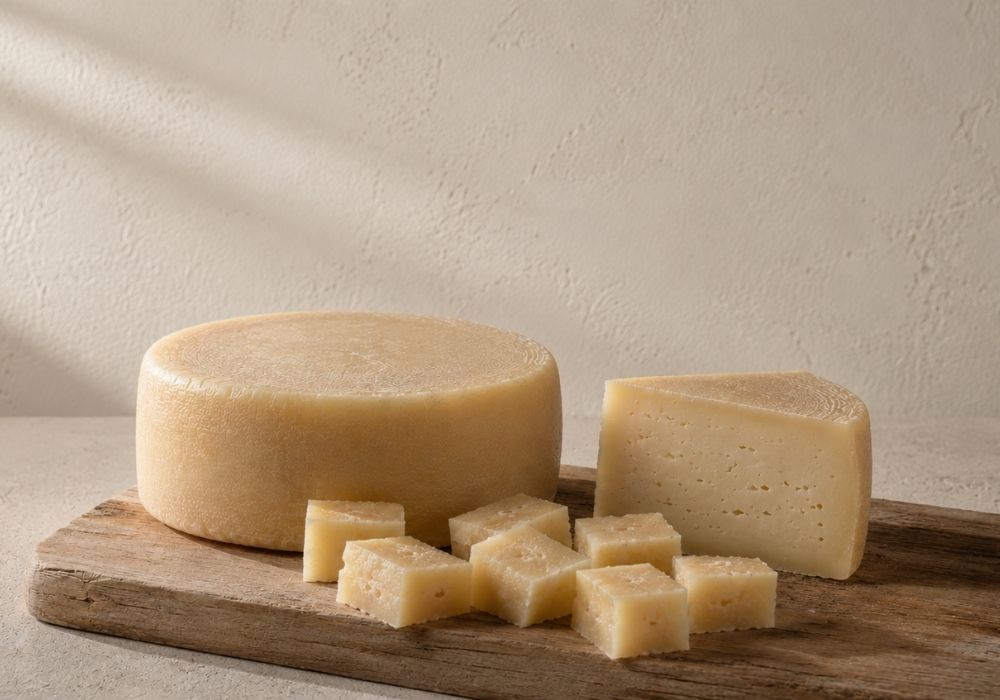
Graviera of Crete is one of the most famous Cretan cheeses that is consumed widely in Greece. It is geographically located on the island of Crete. The name Graviera of Crete is recognized as a protected designation of origin (PDO) product. This cheese has a long history, and it is the best-known Greek graviera cheese. It is traditionally produced from mixture of both sheep and goat milk, which can be in a ratio of up to 20%. It is a table cheese with a white-yellow color and small scattered holes, firm texture, that impresses with its aroma and taste. It can accompany all Greek meals, while it is, also, used as breakfast. It is traditionally an accompaniment to raki or wine along with honey, nuts, dried fruits & fresh vegetables. It is free from preservatives, colorants, and antibiotics, maturing for at least 3 months to acquire its distinctive characteristics that make it highly sought after. Ιt is a high-quality cheese with pleasant sensory properties.
What makes Graviera of Crete truly special? Its strong connection to its place of origin, as it is produced exclusively in the regions of Chania, Rethymno, Heraklion, and Lasithi. The mountainous landscape provides ideal conditions for natural grazing, with sheep and goats feeding on local vegetation and aromatic herbs. This natural diet, combined with traditional farming practices and a minimum ageing period of three months, gives the cheese its distinctive character and rich flavor.
As Graviera matures, it gradually develops a more intense and slightly spicy flavor. During the aging process, a thin outer rind forms naturally, protecting the cheese and allowing it to preserve its quality while enhancing its aroma and taste. This rind is typically removed (approximately 5 mm) before consumption. Graviera of Crete is also a valuable source of protein and is available in whole wheels, portions, or grated form, with a shelf life of 18, 6, and 3 months respectively.
PDO Cretan Vorios Mylopotamos Rethymnis
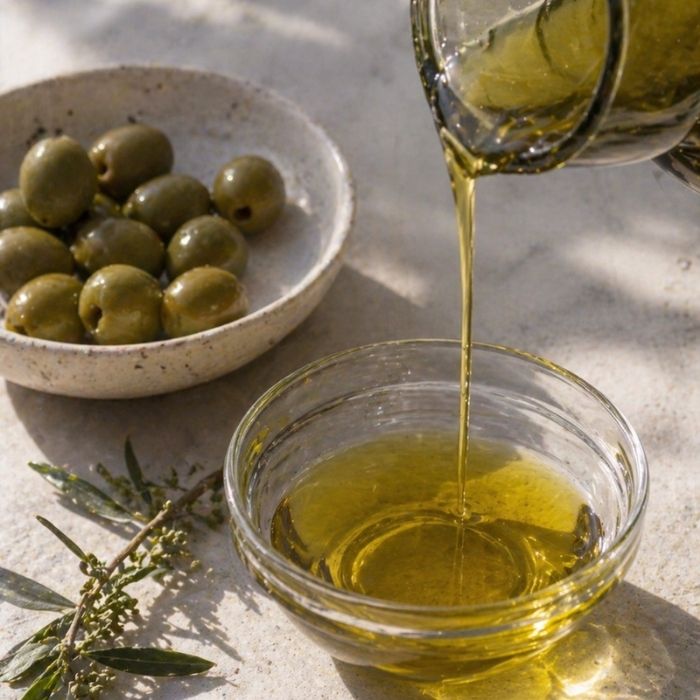
The Extra Virgin Olive Oil Vorios Mylopotamos, Rethymnis PDO, originates from the area of Northern Mylopotamos in Rethymno (Crete) and is produced solely using mechanical methods. This specific olive oil stands out for its golden yellow color and the fruity taste. The main olive variety to produce this olive oil is Koroneiki. The low acidity is associated with the quality of olive oil, giving it the distinctive characteristics of Extra Virgin Olive Oil. At all stages, from cultivation to packaging, significant measures are taken, not only to ensure the quality, but, also, the sustainability of its production. Main factors that differentiate its quality are the climate, the soil composition, and the cultivation methods.
For generations, the cultivators of Mylopotamos have tended their olive trees with care and deep-rooted knowledge. Harvesting is carried out using traditional methods, often by hand or with small tools, ensuring the integrity of the fruit. The olives are then transported and processed within a short time under controlled low temperatures to preserve their freshness, fruity aroma, sweet flavor and nutritional value. At the same time, environmentally friendly practices, including biological pest control are applied throughout cultivation.
PDO Cretan Viannos Irakliou
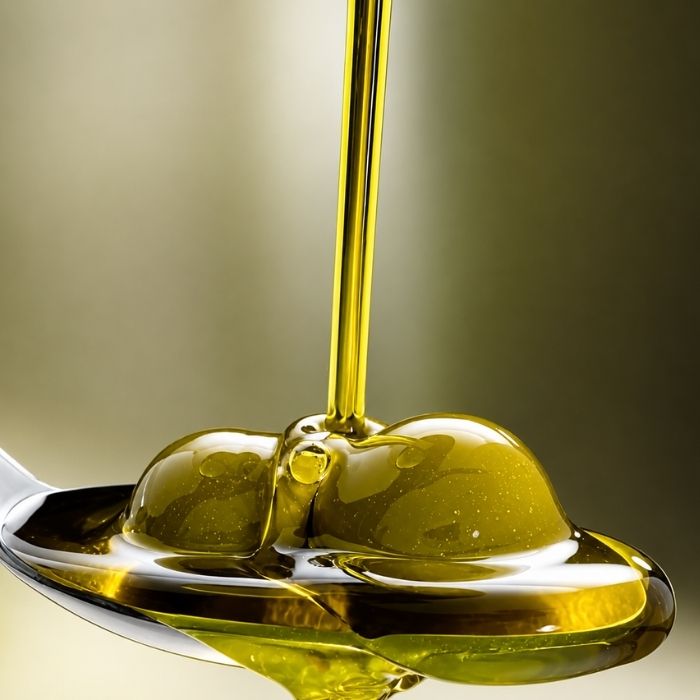
Viannos PDO olive oil is one of the most famous products produced in the municipality of Viannos, Crete. According to the history, Homer used to call olive oil “liquid gold” and Hippocrates named it the “Great Healer”.
Since the ancient periods, the olive tree and its fruits have been praised as the symbol of peace. Viannos olive oil is distinguished for its rich taste, golden color, and fruity aftertaste. It constitutes an exceptional combination of a unique microclimate and centuries-old culture.
The olive oil from Viannos is of very high quality, Extra Virgin Olive Oil, which is why it has received the PDO (Protected Designation of Origin) certification. This distinctive character is further shaped by the area’s unique microclimate, influenced by its location on the southern foothills of Mt. Dikti, considered the legendary birthplace of Zeus, where the Koroneiki variety thrives and gives the oil its characteristic profile.
PDO Cretan Messara
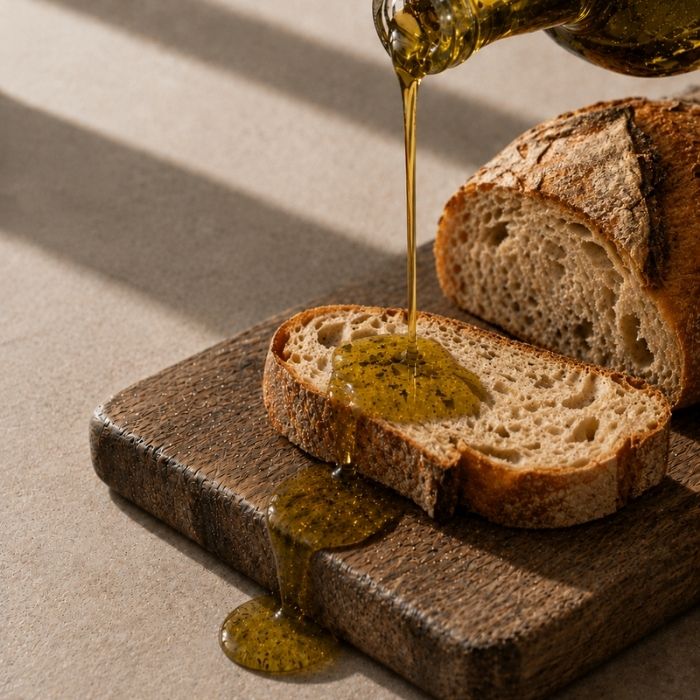
It is an exceptional Extra Virgin Olive Oil from the famous region of Messara in Crete, Greece. It originates from the Koroneiki variety. It has a bright green color, which matures into a greenish-yellow hue. Its aroma is characterized as strong and fruity. The taste is bitter and peppery, causing a burning sensation in the throat. It is a unique olive oil with natural ingredients, full of flavor and pleasant fruity aroma, nutritious properties, and low acidity up to 0.2%, without chemical substances. It is produced naturally by simply extracting the olive fruit under cold pressure to preserve all its vitamins.
This olive oil is excellent in Mediterranean cuisine, in salads, vegetables, meat, fish, and poultry. Due to the dry-heat conditions prevailing in the region of Messara in the prefecture of Heraklion in Southern Crete, its content of unsaturated fatty acids is increased, making it an exceptional Extra Virgin Olive Oil with high nutritional value. Its exceptional quality is closely tied to region’s way of life.
For generations, the local farmer has worked in its olive fields with dedication, keeping practices that reflect the area’s long agricultural history. This bond between people and their land gives the olive oil a character that reflects the authenticity and simplicity of Messara, giving its rich flavor with a well-rounded character.
PDO Cretan Kolymvari Chanion
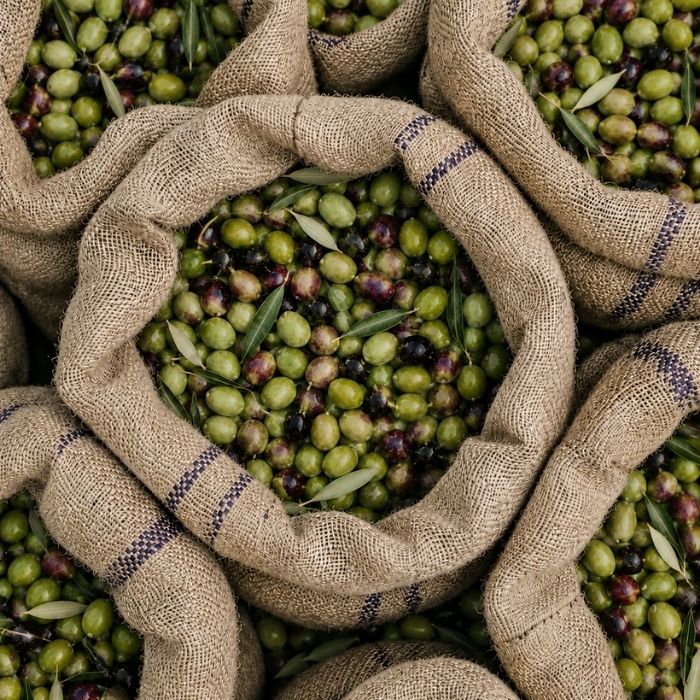
Kolymvari Extra Virgin Olive Oil mainly comes from the Koroneiki variety in the region of Chania, in Crete. Olive oil production on the island has been taking place since the peak of the Minoan civilization, and it was one of the main products exported to the entire known world through maritime trade, bringing great wealth to the island’s inhabitants. The soil and climatic conditions on the island are ideal for the cultivation of olives destined for olive oil production.
This Extra Virgin Olive Oil is produced in cold, thus retaining all its organoleptic characteristics, is free from moisture and from any foreign matter. The production of the olive oil is done without any chemical processing, aiming for the final product to be of the highest possible quality on a global scale, with exceptionally low acidity and unique nutritional characteristics. The above results in an olive oil with unparalleled flavor and distinct aroma making it ideal for salads, pasta, and grilled vegetables. It is, also, renowned for its nutritional value. Thus, Kolymvari Extra Virgin Olive Oil became famous not only in Greece but also worldwide, and now one can find it at the four corners of the earth. In conclusion, it stands out for its well-balanced flavor, rich aroma and naturally low acidity (0–0.8%), which together define its exceptional quality.